
This article explores how maqāṣid-oriented ijtihād allows Islamic legal reasoning to remain rooted in principle while engaging responsibly with modern realities. It argues that legal and ethical reform should be guided by the higher objectives of the Sharī‘ah rather than by isolated or reactive interpretations.
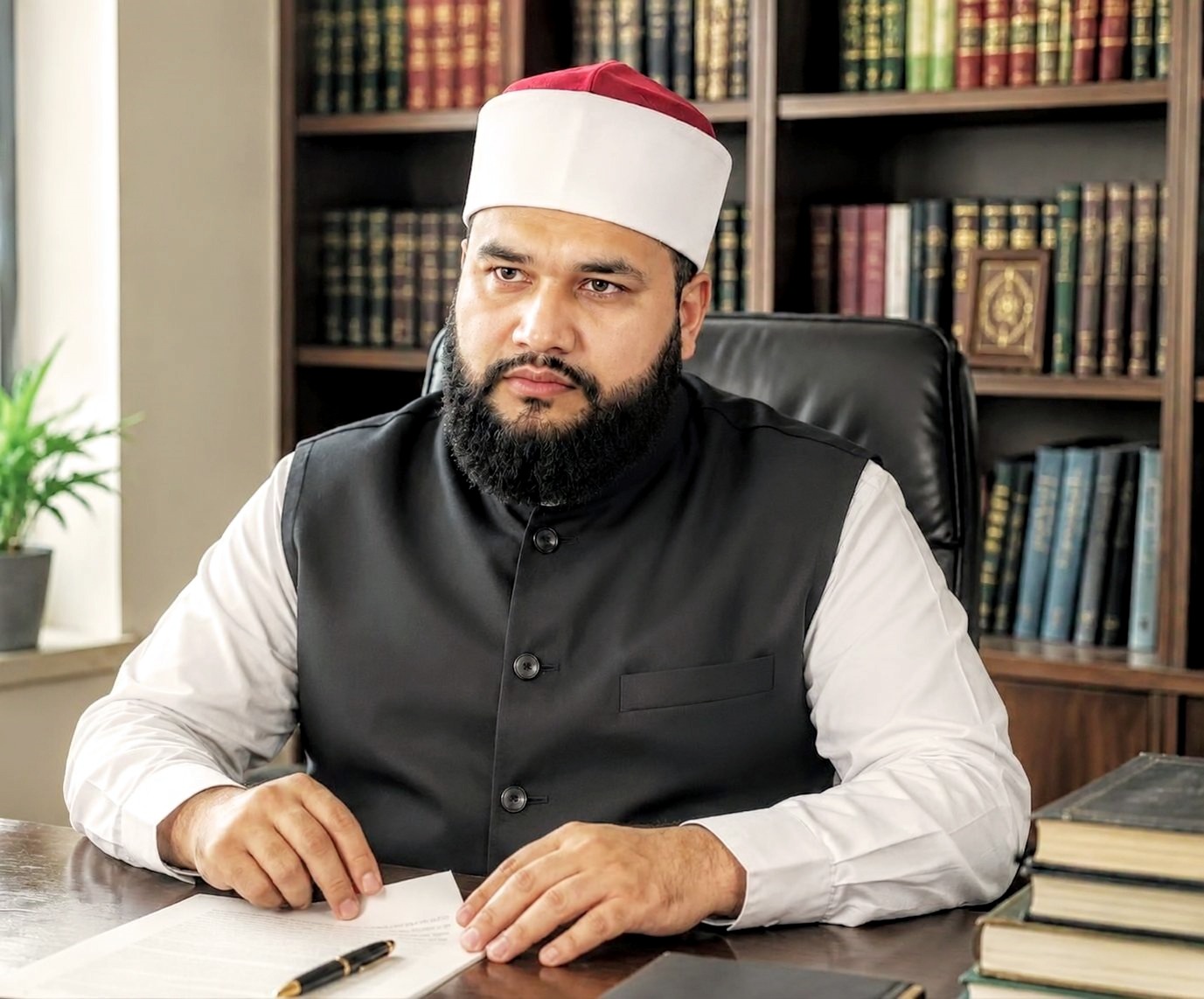
Essay · 2024-09-10
On Maqāṣid-Oriented Ijtihād
By Dr. Zobair Sultan Rabbani
A reflective essay on the role of maqāṣid-oriented ijtihād in responding to contemporary ethical and legal challenges.